


Steve Freihon/Related-Oxford
New York, New York
Global experience.
Regional perspective.
Local impact.


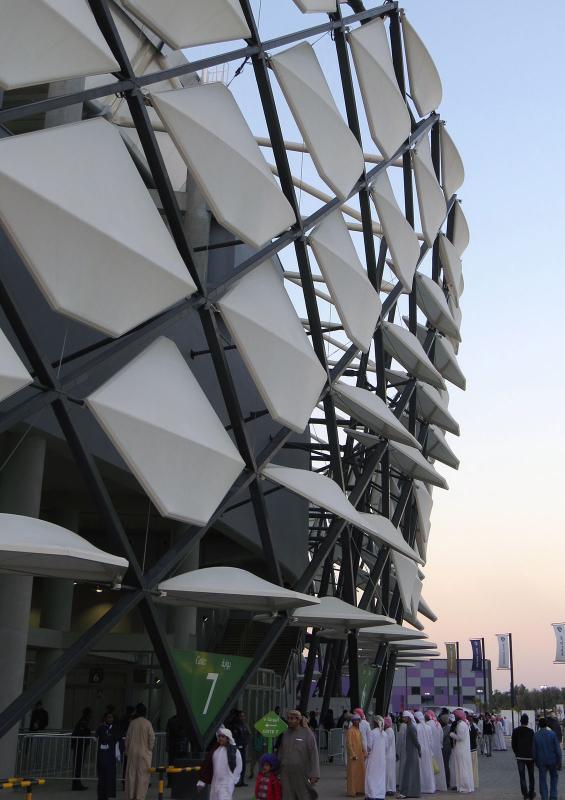
Hazza Bin Zayed Stadium departs from the roof and façade models established for stadiums in Europe and embraces a design customized for the dry climate of the Middle East.

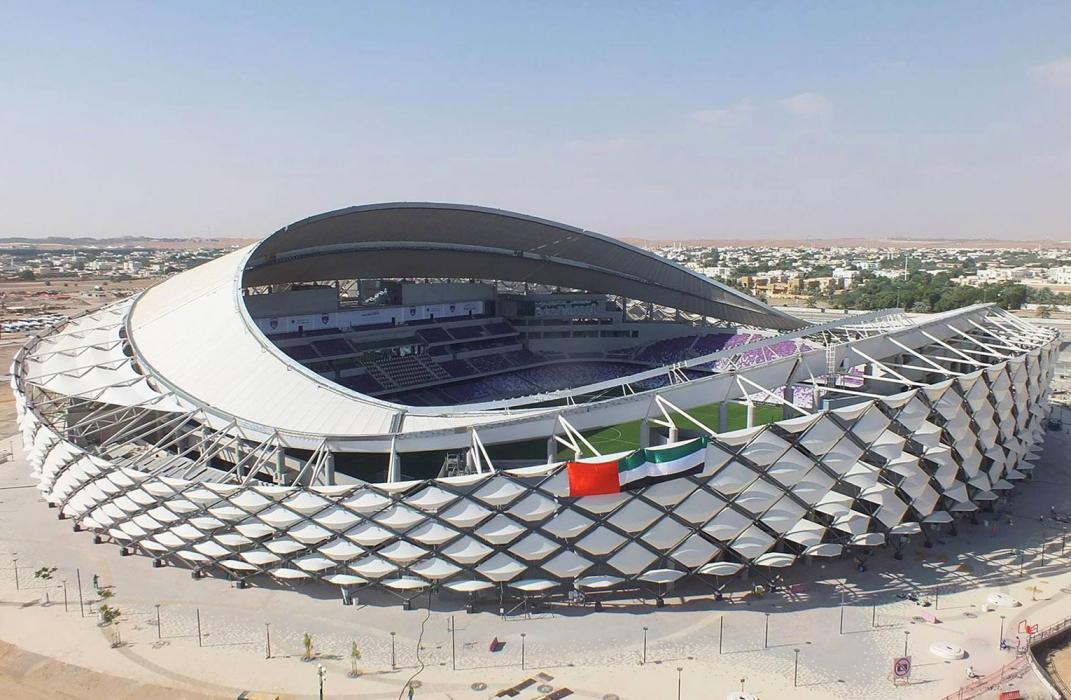
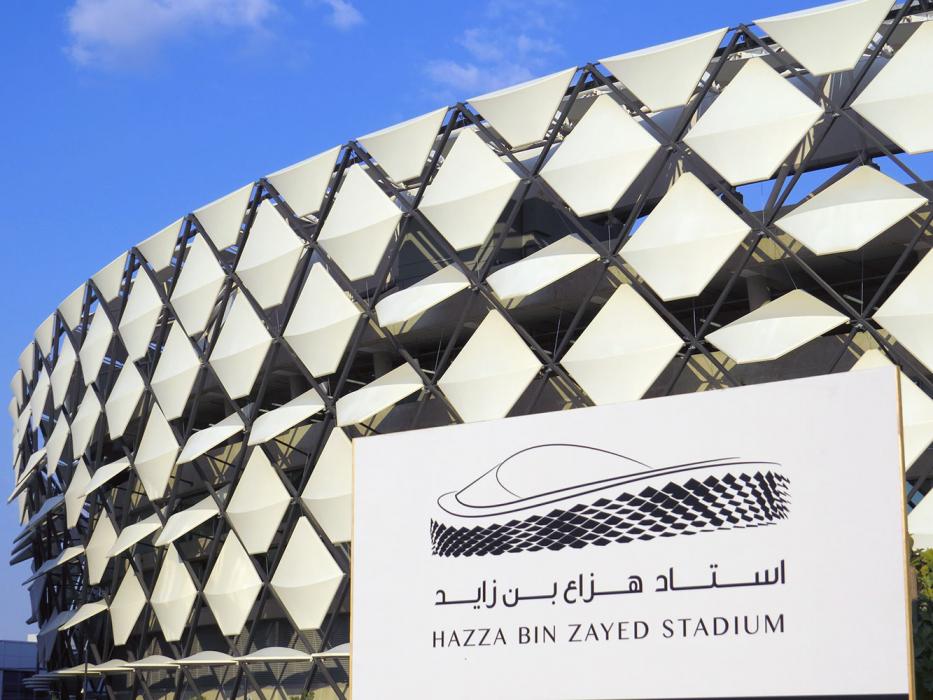
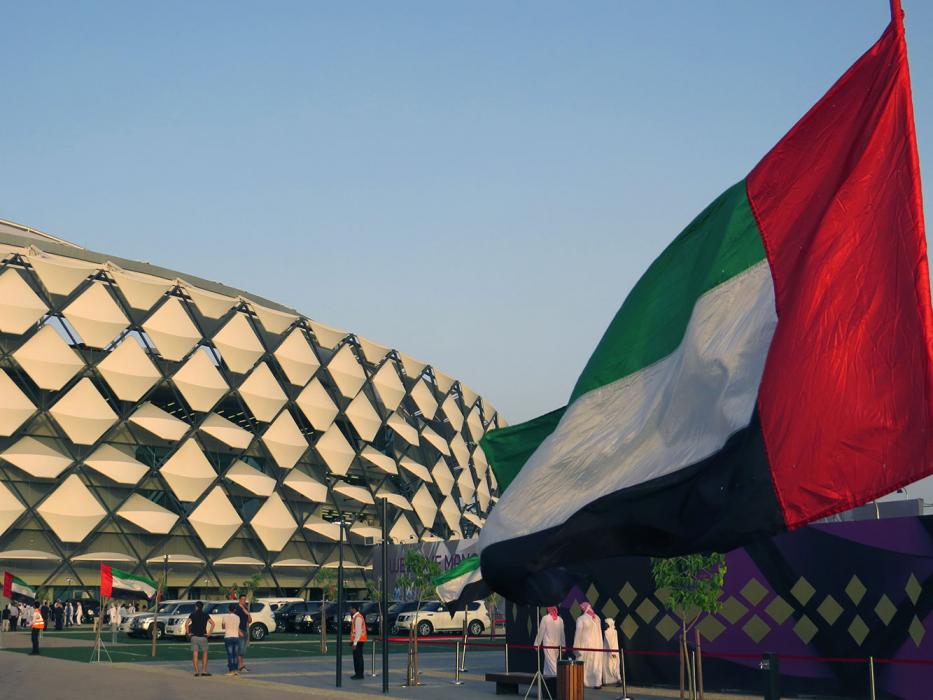
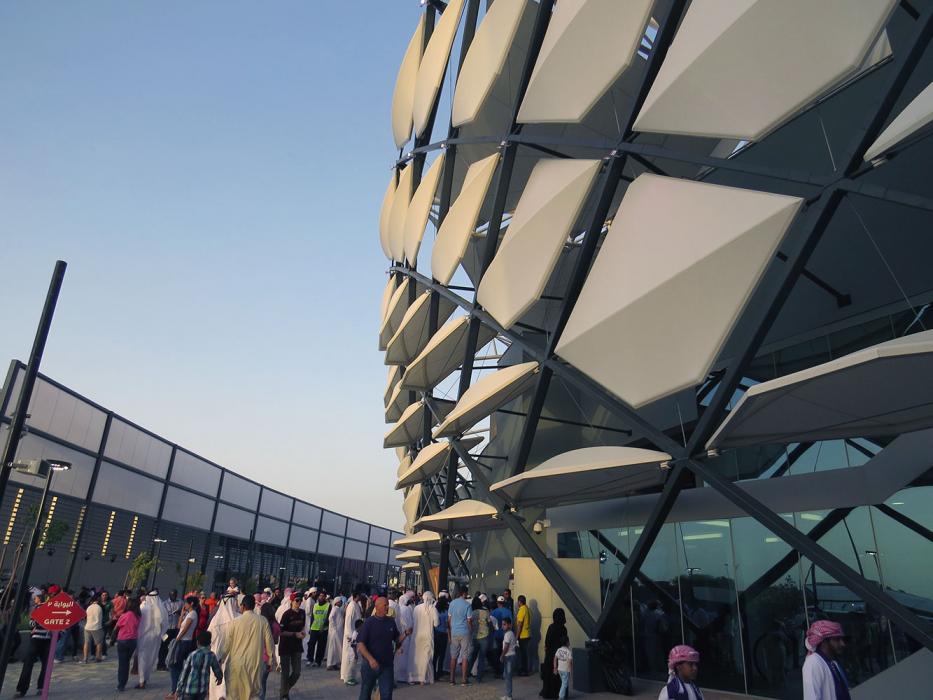
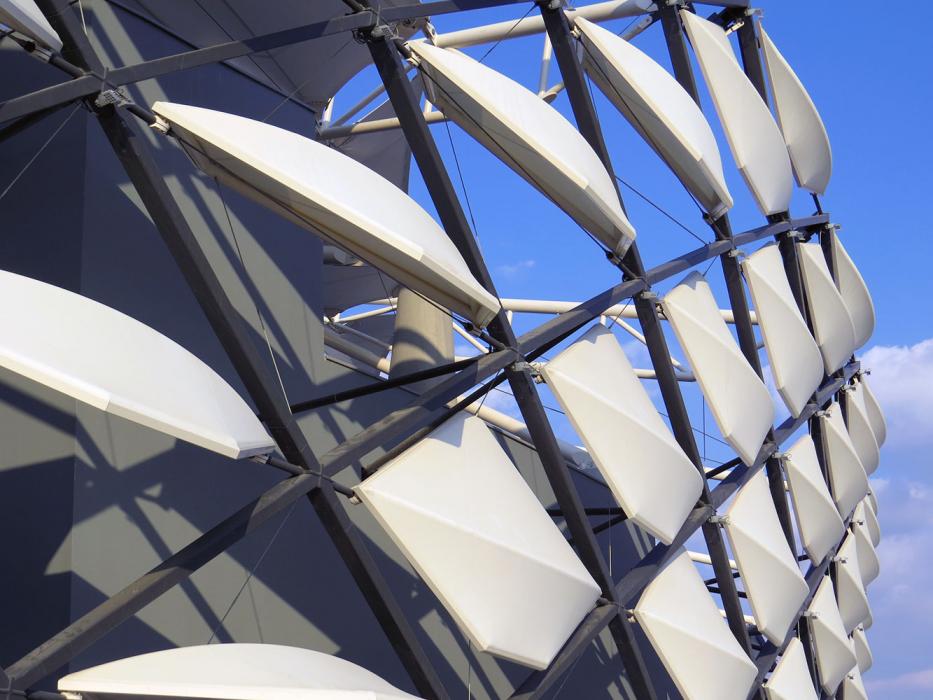
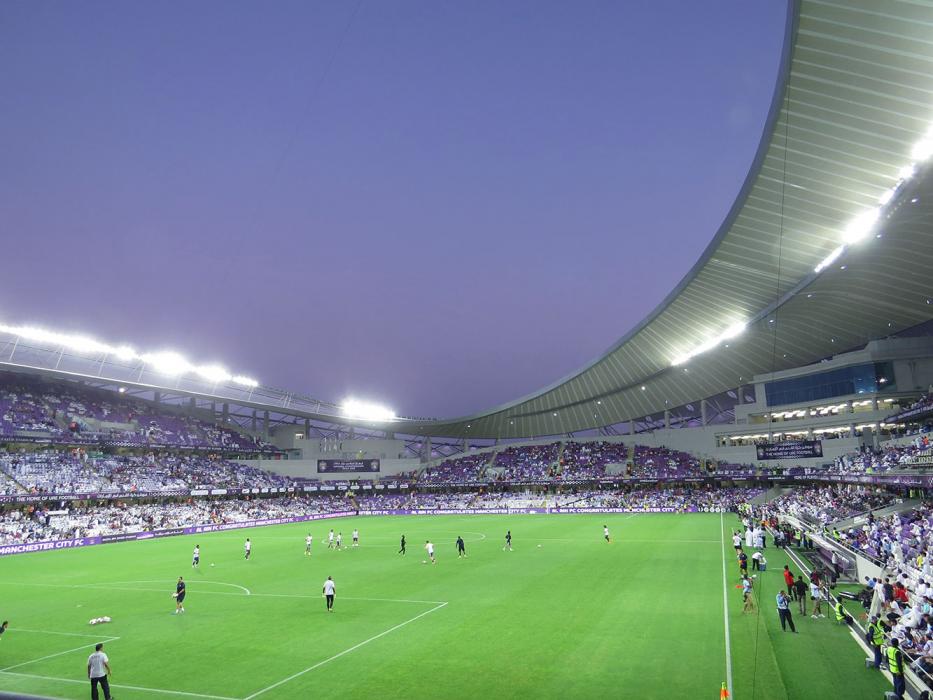
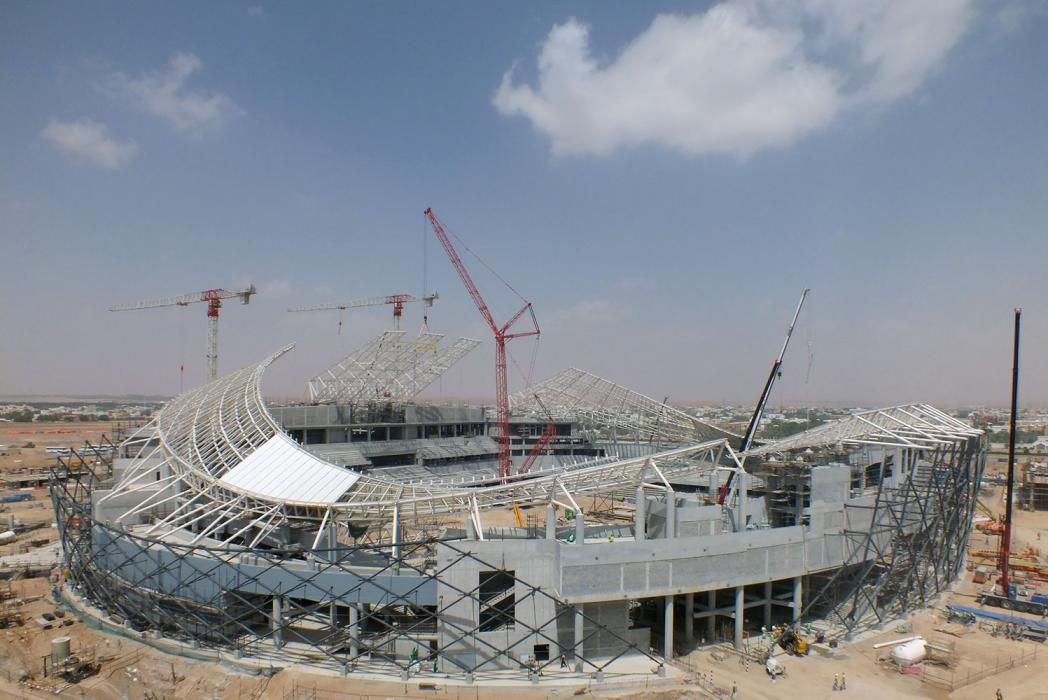
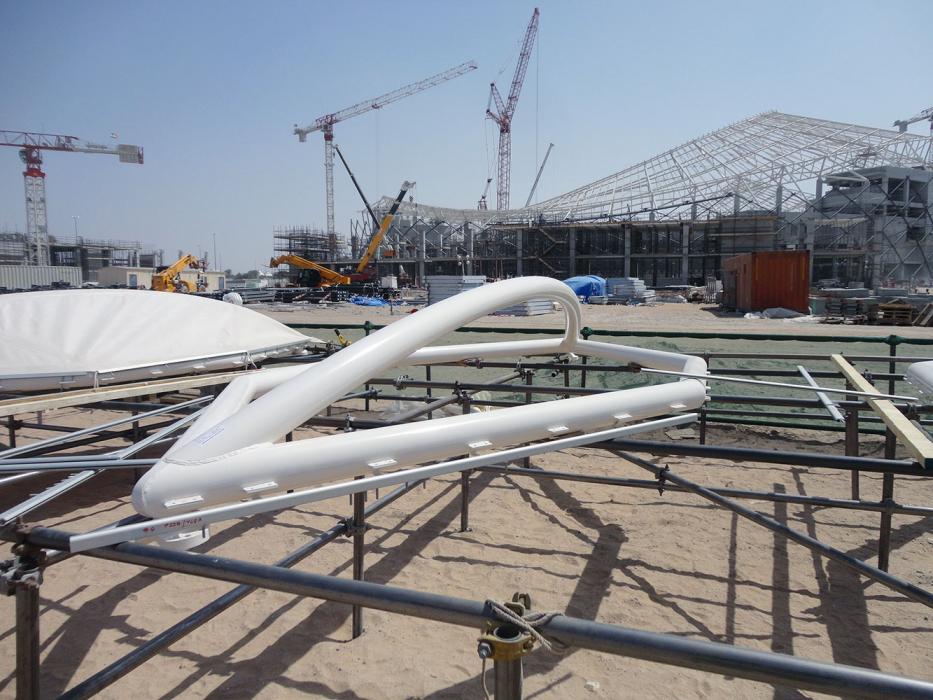
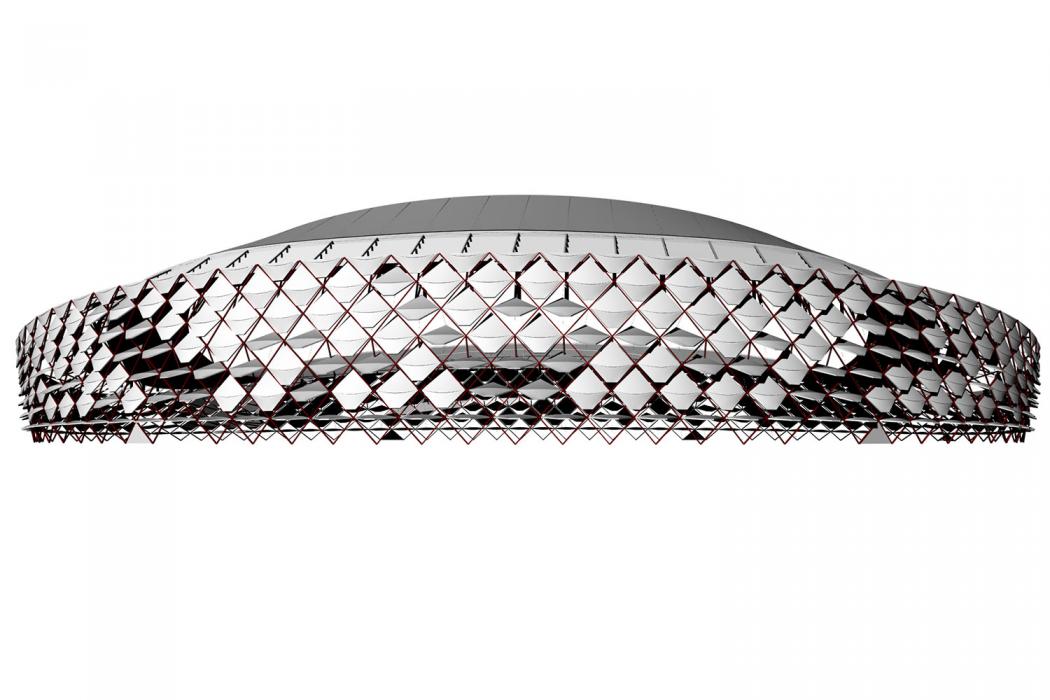
The home to the Al Ain Football Club, in Abu Dhabi’s second largest city, is the first to depart from the roof and façade models established for stadiums in Europe and embraces a design customized for the dry climate of the Middle East.
We provided integrated façade and structural engineering services for the project, from concept through detailed design, to Broadway Maylan Architects and Pattern Design Ltd. The fast-track design-build project was completed, and the stadium opened, in 2014.
 Thornton Tomasetti
We used computational design to rationalize the panel geometry,reducing the number of different steel work connections and increasing their adaptability so fewer panel shapes were required.
The entire project team developed the design in parallel on one Revit model, resulting in easier coordination of complex geometry and connections, faster response to owner-driven changes and accurate monitoring of quantities for price certainty.
We modeled the roof’s sweeping form in Grasshopper, a generative modeling tool for Rhino 3D. This allowed us to continuously analyze the design for structural stability, daylight penetration, and thermal and solar performance to ensure the most structurally efficient final design that met shading needs and architectural goals.


